Restoring Eye Comfort with Advanced Medical Procedures
Eye irritation can quietly shape the entire day, dryness that makes you blink too often, lids that feel heavy by afternoon, or a gritty sensation that steals focus from screens and books. When these issues linger, they can affect sleep, confidence, and productivity, not just vision. Modern care is increasingly centered on comfort, not merely “seeing better,” because stability of the eye’s surface and eyelid function influences everything from tear balance to how clearly you perceive detail.
When Everyday Symptoms Signal Something More
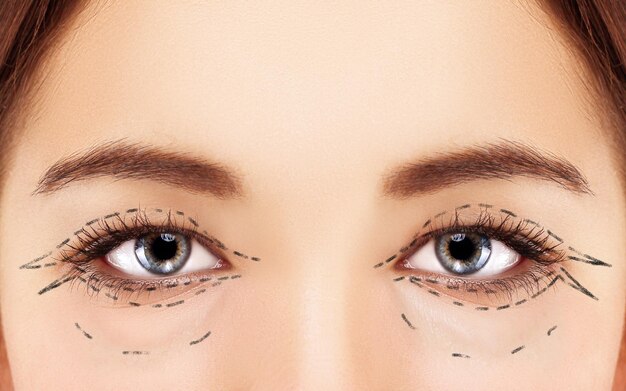
It’s normal to experience occasional eye strain, but repeated burning, watering, light sensitivity, or blurred vision can indicate issues that deserve careful attention. Eye specialists often look beyond the eyeball itself, checking eyelid position, blinking patterns, tear quality, and the surrounding tissues that protect the eye. Oculoplasty treatment in Vadodara may be considered for drooping eyelids, lids turning inward or outward, or swelling that doesn’t improve with routine care.
Why Comfort Depends on Eyelids and Surrounding Tissues
The eyelids are not just “covers”; they distribute tears, clear debris, and maintain a smooth optical surface. If the lid position is off by even a small amount, tears may evaporate quickly or spill excessively, causing both dryness and watering. The muscles that lift the lid, the glands that add protective oils, and the skin that forms a seal all have roles in keeping the eye calm. When these components become altered through aging, inflammation, injury, or structural changes, discomfort can become chronic.

Diagnostic Steps That Clarify the Root Cause
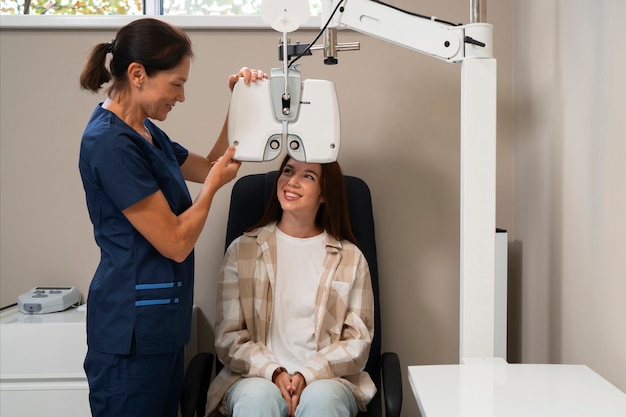
A thorough assessment typically includes measuring tear stability, checking gland function, and observing blink quality. Imaging or close inspection may be needed to rule out subtle eyelid malpositions or tissue laxity that irritates the eye’s surface. Your history matters, too. Contact lens use, allergies, screen time, autoimmune conditions, and medications can shift tear chemistry. Many clinics combine objective testing with symptom scoring to identify patterns and design an individualized pathway rather than relying on a single “one-size” solution.
Minimally Invasive Options That Improve Day-to-Day Ease
For many people, targeted procedures can provide meaningful relief without extensive downtime. Thermal therapies may help unblock oil glands; specialized light-based treatments can reduce inflammation in select cases; and tiny plugs placed in tear drainage channels can help retain moisture when dryness is the primary driver. Some patients benefit from carefully selected injectables around the eye area when muscle imbalance contributes to spasm or abnormal lid movement. These approaches are often paired with changes in habits, environment, and topical care to support lasting comfort.
Reconstructive Approaches That Restore Function
When eyelid position interferes with tear spread or exposes the surface, functional correction can be transformative. Tightening techniques can reduce excessive watering caused by poor lid apposition, while realignment methods can prevent lashes or lid edges from rubbing the cornea. In cases involving trauma or long-standing inflammation, reconstruction may be used to re-establish a stable lid margin and protect the eye. Patients often describe the outcome as “lighter eyes” because the goal is smooth movement and natural closure, not an artificial appearance.
Lens-Based and Surface-Focused Therapies for Complex Cases
Some discomfort comes from irregularities on the front of the eye or from tear film instability that standard drops can’t fix. Specialized contact lenses can act like a protective dome, creating a reservoir that shields sensitive tissue and reduces friction with each blink. For persistent surface disease, physicians may recommend biologic tear substitutes or regenerative options, depending on suitability and availability. A practical eye health guide can also help you understand which triggers worsen symptoms and why consistent routines matter as much as the procedure itself.

Advanced Technologies Shaping Clinical Care
Innovation has expanded the menu of precision techniques used around delicate eye structures. Modern tools allow clinicians to plan interventions with better measurements, refine tissue handling, and minimize disruption to surrounding areas. In many settings, advanced vision treatment may involve combining diagnostic data with tailored procedural steps, followed by structured monitoring so adjustments can be made early. The emphasis is shifting toward staged care, starting with conservative support, then adding procedural solutions when the underlying mechanics demand it.
Recovery, Follow-Up, and Long-Term Maintenance
Healing timelines vary by procedure, but the most successful outcomes usually share the same ingredients: clear instructions, consistent aftercare, and scheduled reassessment. People are often advised to limit dust exposure, avoid eye rubbing, follow lubrication plans, and report unusual pain or sudden changes promptly. Even when symptoms improve quickly, follow-up matters because tear stability and lid behavior can evolve during healing. Long-term maintenance may include gland care, allergy control, ergonomic screen habits, and periodic reviews to ensure the improvements remain steady.
Closing Reflections
Restoring eye comfort is rarely about a single quick fix; it’s about identifying what is disrupting the eye’s protective system and correcting it with the least burden possible. With today’s refined diagnostics and procedural options, many individuals can move from constant irritation to stable, usable comfort, often with subtle changes that feel profound in daily life. If symptoms have become “normal” for you, it may be time to seek a comprehensive evaluation and reclaim the ease that healthy, well-protected eyes are meant to provide.