Must-Know Tips for Buying a Durable Daily Bag
Choosing a daily bag is a practical decision you’ll feel every time you step out the door. The right one should handle constant use, protect your essentials, and stay comfortable from morning to night. To buy wisely, focus on durability cues that hold up under real routines, not just what looks good on a shelf.
Match Capacity to Your True Carry List
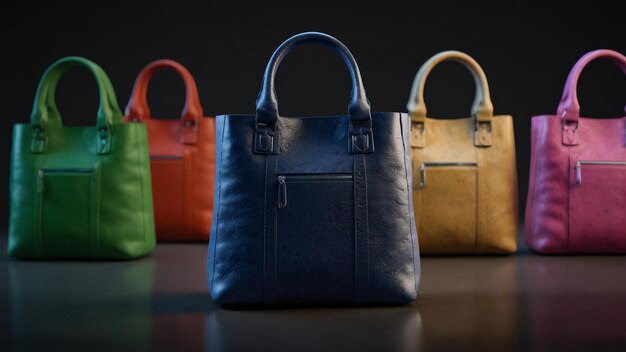
Start by identifying what goes with you most days phone, keys, wallet, charger, water bottle, notebook, cosmetics, sunglasses, and maybe a tablet or small laptop. A bag that’s too small forces overstuffing, which strains seams and warps the shape, while a bag that’s too large encourages unnecessary weight. When browsing tote bags online, rely on interior dimensions and base width rather than photos, so the size you choose supports longevity.
Select Fabrics and Leathers That Resist Daily Wear
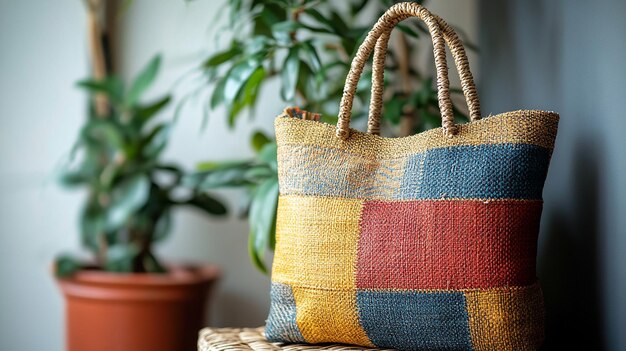
Materials determine how well a bag survives friction, moisture, and repeated handling. For leather, look for thicker, well-finished options that resist scratches and won’t peel at stress points. For canvas or nylon, prioritise dense weaves and quality coatings that reduce staining and scuffing. Among handbags for everyday use, the strongest performers are usually those with structured textiles, reinforced linings, and finishes designed to tolerate frequent contact with clothing and surfaces.
Examine Stitching Quality Like a Checklist
The fastest way to spot a bag that won’t last is inconsistent stitching. Seams should be straight with tight, even spacing, and no loose threads or skipped areas. Stress zones, strap anchors, corners, and the top rim should be double-stitched or secured with box stitching and extra layers. If the brand shows close-up images, use them to confirm reinforcement rather than relying on lifestyle shots.
Choose Straps Built for Weight and Movement
Straps fail before most other parts, so treat them as the bag’s foundation. Wider straps distribute weight better and reduce shoulder pressure; padded sections can help if you carry heavier items. Attachment points should use metal rings or stitched loops with backing, not thin tabs that tear. Adjustable straps are useful, but the slider should grip firmly so the length doesn’t creep during a long day.
Pick Hardware That Won’t Quit
Zippers, clasps, snaps, and rings should feel smooth and sturdy, not flimsy or gritty. A reliable zipper glides without snagging at corners, and the pull should be thick enough to grab easily. Snaps and magnets should close decisively and stay aligned over time. Durable hardware also resists discolouration and chipping, which helps the bag look newer even after months of use.
Favour a Strong Base and Corner Protection
The bottom of a daily bag takes constant abuse from being set down on desks, floors, and car seats. Look for reinforced base panels, thicker material at the bottom, or protective feet if the design includes them. Corners should be strengthened with piping, overlays, or dense stitching because that’s where abrasion concentrates. A stable base also keeps the bag upright, reducing internal shifting that stresses seams.
Keep Organisation Simple but Supportive
A durable bag isn’t only about toughness; it’s also about how it handles your routine without becoming chaotic. Aim for a main compartment that fits your biggest items without cramming, plus one secure pocket for valuables and one quick-access pocket for keys or transit cards. Too many dividers can create weak points and wasted space, while too few pockets can lead to digging that strains the lining and zipper.
Plan for Weather, Spills, and Easy Cleaning
Daily use means exposure to unexpected rain, coffee drips, and dusty surfaces. Water-resistant finishes, coated interiors, and wipeable linings make maintenance easier and prevent long-term staining. Darker exteriors hide scuffs, but a lighter interior can help you find items faster, reducing rummaging that wears seams and pocket edges. If you want stylish handbag ideas, choose ones that still include practical surfaces and finishes meant for frequent cleaning.
Compare Longevity Value, Not Just the Price Tag
A higher price doesn’t guarantee durability, and a lower price can become costly if you replace the bag quickly. Compare construction details, materials, warranty terms, and repair options to estimate how long it will last in your routine. Bags with replaceable straps, solid hardware, and reinforced seams often deliver better long-term value than trend-driven designs that prioritise appearance over build quality. Also, pay attention to weight before you add anything inside an overly heavy bag, which can feel uncomfortable quickly and may cause you to overload it less thoughtfully. If you’re able to see the bag in person, do a simple stress test by holding it as you would on a commute and checking whether the handles twist, the base collapses, or the zipper track bends around corners. If you can’t see it in person, look for product photos that show the bag being carried with items inside, since empty product shots can hide sagging.
Conclusion
Buying a durable daily bag comes down to choosing strength where it matters most: materials, stitching, straps, hardware, and a reinforced base that can handle constant wear. When capacity fits your real carry list, and organisation supports your routine, the bag stays comfortable and functional without breaking down. Focus on these durability markers, and you’ll end up with a daily companion that keeps up for the long haul.