Fun Ways to Boost Senior Social Life at the Best Elder Care
As we age, staying socially active becomes essential for maintaining mental, emotional, and even physical health. Seniors who regularly engage with others often experience reduced stress, improved cognitive function, and a stronger sense of purpose. Elder care communities are increasingly focusing on creating environments that encourage interaction, learning, and fun. By incorporating engaging activities, meaningful connections, and personalized experiences, senior living can transform into a vibrant chapter of life rather than a passive stage.
Organize Themed Social Gatherings
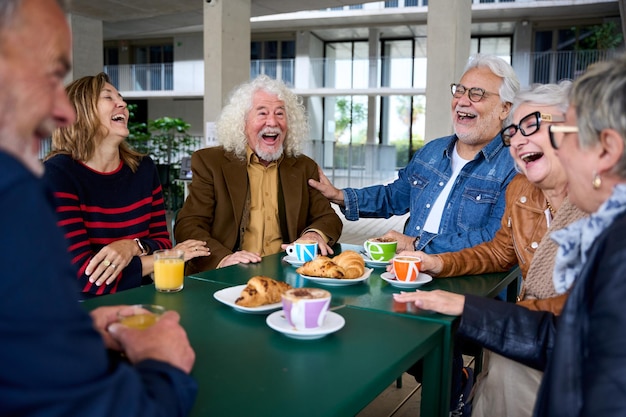
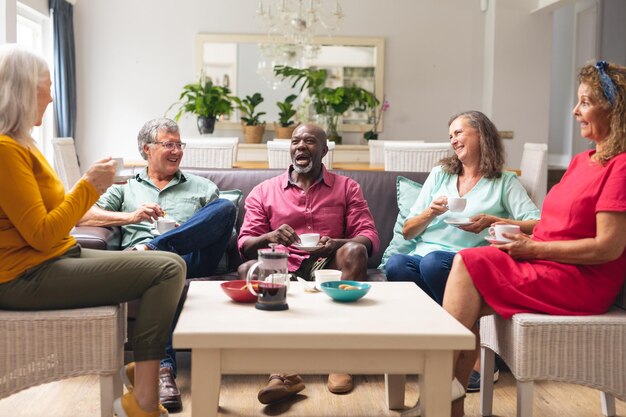
One of the easiest ways to encourage interaction among seniors is through themed events. From cultural festivals to holiday parties, these gatherings provide a natural setting for conversation and bonding. Residents can share stories, play games, or even perform short acts, which makes the day memorable for everyone involved.
Themed social events also allow seniors to express creativity. For example, a costume party or a talent showcase encourages participation even among those who might initially feel shy. Care communities can rotate themes monthly to maintain excitement and ensure everyone has a chance to participate in activities they enjoy.
Engage in Group Activities Daily
Regular group activities are an excellent way to keep seniors socially connected. From morning exercise classes to book clubs and gardening groups, structured activities offer both physical and mental stimulation. They help residents build friendships naturally, reducing feelings of isolation. Communities like Kamdhenu Retreat for senior citizen homes in India are known for creating daily programs that balance wellness, learning, and fun, ensuring seniors have consistent opportunities to socialize.
Group activities also allow for shared learning experiences. Seniors can take cooking workshops, learn painting, or even try simple technology tutorials together. This shared experience fosters communication and a sense of achievement among participants.
Encourage Hobby-Based Clubs
Hobbies are a wonderful way for seniors to meet like-minded peers. Creating clubs based on interests such as knitting, chess, photography, or bird-watching provides a consistent platform for social interaction.
Benefits of Hobby Clubs
Some key advantages of hobby-based clubs include:
- Skill Development: Residents can enhance or learn new skills, like painting, gardening, or crafting.
- Teamwork and Collaboration: Working on shared projects like a community garden or art exhibition fosters bonding.
- Regular Social Interaction: Weekly or monthly meetings give residents something to look forward to, strengthening connections.
- Boosted Confidence: Sharing accomplishments in club settings encourages pride and recognition.
Utilize Outdoor Spaces Creatively
Outdoor spaces in elder care communities can be more than just scenic areas; they can become hubs of activity. Walking groups, outdoor yoga, or simple garden strolls provide opportunities for physical activity while encouraging outdoor family activities ideas that engage residents of all ages. Even small, well-designed spaces can be transformed into areas for storytelling circles or morning tea meetups.
Encouraging outdoor interaction also connects residents to nature, which has proven benefits for mental health. Sunlight exposure, fresh air, and even the presence of plants can uplift mood, making seniors more eager to participate in social activities.
Leverage Technology for Connection
Technology can bridge social gaps, especially for seniors who may have family far away. Teaching residents to use tablets, video calls, or social media helps them stay in touch with loved ones and participate in online communities.
Digital Learning Opportunities
Benefits and key activities for technology engagement include:
- Video Calls: Connecting with family and friends regularly.
- Online Clubs: Participating in virtual book clubs or hobby groups.
- Interactive Learning: Online workshops, museum tours, and tutorials keep the mind active.
- Peer Support: Seniors can teach and learn from each other, strengthening social bonds.
Plan Intergenerational Programs
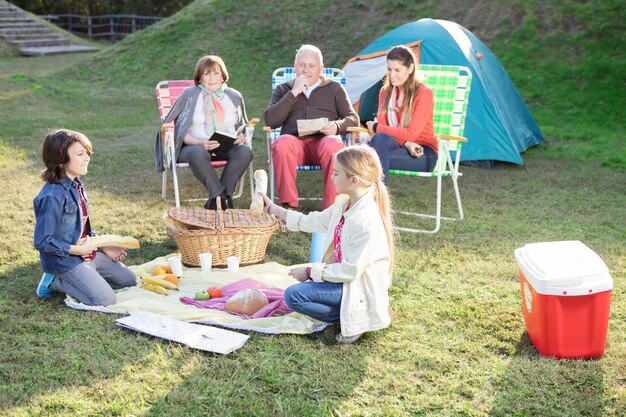
Bringing multiple generations together can have a profound effect on senior social life. Schools, colleges, and volunteer groups can visit elder care communities to organize storytelling sessions, craft workshops, or simple interactive games, allowing seniors to engage in retirement fun and hobbies while connecting with younger participants. Intergenerational programs help seniors share wisdom while learning new perspectives from younger generations.
These activities often result in deep connections. Grandparent-like mentorship opportunities or joint performances can be rewarding for both seniors and younger participants.
Encourage Small Group Outings
Outings to local attractions, cultural events, or even shopping trips can break the routine and provide exciting social experiences. Small group trips are ideal because they allow for personal interaction without overwhelming participants, and planning senior group travel benefits into these outings helps seniors form deeper friendships while they enjoy shared experiences. Seniors get to explore new environments while bonding over memorable moments.
These excursions also encourage independence and confidence. Whether visiting a museum or attending a local concert, seniors feel more engaged with the world around them, which positively impacts their mental well‑being
Personalized Care and Social Plans
Elder care facilities that focus on personalized social engagement often see the happiest residents. Creating individual social plans based on interests, hobbies, and comfort levels ensures no one feels left out. Communities like Kamdhenu Retreat for senior citizen homes in India specialize in curating such personalized experiences, allowing seniors to participate in activities they genuinely enjoy.
How Personalized Plans Help
- Interest Matching: Pair residents with similar hobbies for group activities.
- Flexible Scheduling: Adapt activity timing to suit personal energy levels.
- Choice-Based Participation: Residents can select events they enjoy instead of mandatory participation.
- Increased Autonomy: Encourages seniors to make decisions about their social life.
Celebrate Milestones Together
Celebrating birthdays, anniversaries, or personal achievements can significantly boost social bonding. Group celebrations provide a platform for storytelling, sharing memories, and expressing appreciation. Residents feel recognized and valued, which strengthens their connection to the community.
These celebrations can also include creative touches like photo collages, handmade gifts, or group performances. By honoring individual milestones collectively, the elder care community creates a supportive environment where seniors feel seen, respected, and engaged.
Conclusion
Boosting social life in senior living is more than just organizing activities it’s about fostering genuine connections, encouraging shared experiences, and respecting individual preferences. From themed gatherings to technology workshops, intergenerational programs, and personalized social plans, there are countless ways to help seniors lead enriched and joyful lives.