Smart Ways to Restore Healthy and Sharp Vision
Sharp, comfortable eyesight is often shaped by the everyday choices you repeat over time, including what you eat, how you safeguard your eyes, the way you handle screen exposure, and how quickly you act when changes appear. Although some vision conditions cannot be fully corrected, particularly those linked to structural eye disease, many people can improve practical clarity, ease eye strain, and help limit worsening of common concerns by combining healthy routines with prompt, professional support.
Eye Nutrition Builds Lasting Visual Clarity
The retina and optic nerve are metabolically active tissues that depend on a steady supply of protective nutrients. Diets rich in leafy greens, orange and red vegetables, and omega‑3 fats support the visual system by providing antioxidants and anti-inflammatory compounds that help defend against oxidative stress. Hydration matters too, since insufficient water intake can contribute to dryness and fluctuating vision, especially in dry climates or heated indoor environments.
Early Eye Exams Prevent Future Decline
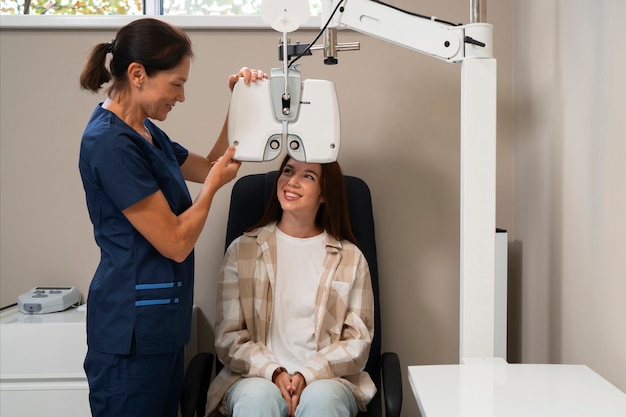
Many vision changes develop gradually, so people adapt without noticing how much clarity they have lost. A comprehensive exam can detect refractive errors, dry eye, early cataract changes, glaucoma risk, macular problems, and systemic-health clues like diabetes or hypertension effects before symptoms become obvious. If you are experiencing blur, frequent headaches, eye strain, halos, or worsening night driving, it is wise to get expert eye care now so a clinician can identify the cause and recommend a targeted plan rather than relying on guesswork. Early evaluation is one of the most efficient ways to protect long-term vision because interventions are often simpler and more effective when started promptly.
Digital Screen Habits Protect Visual Comfort
Screens do not typically damage eyes in the permanent sense, but they can trigger significant discomfort and temporary blur through digital eye strain. Build screen habits that restore visual comfort: take regular visual breaks, increase font size, reduce glare, and position screens slightly below eye level to reduce surface exposure and dryness. If your work requires intense near focus, talk with an eye-care professional about computer glasses or lens designs that support intermediate distances.
Tear Film Care Restores Steady Focus
Dry eye is one of the most common causes of vision that feels less sharp than it used to be, and it can affect people of all ages. Symptoms can include gritty sensation, watering, redness, intermittent blur, and discomfort that worsens later in the day. In more persistent cases, clinicians may recommend prescription drops, in-office therapies, or tailored treatment plans; discussions about advanced procedures for eye comfort can be especially useful when home measures are not enough, and you need longer-lasting relief.
Clean Lens Habits Preserve Sharp Sight
Contacts can provide excellent vision, but hygiene lapses can lead to inflammation, dryness, and serious infections that threaten sight. Always wash and dry your hands before handling lenses, follow the replacement schedule exactly, and never sleep in lenses unless your prescriber has specifically approved it. For eyeglasses, ensure your prescription is current and that the lenses match your needs, especially if you drive at night, work at a computer, or switch between distance and near tasks frequently.
Focus Training Supports Daily Vision Strength
Some blur is less about the eye’s structures and more about how the visual system is being used, particularly for people who spend most of their day at one distance. Consider brief distance resets throughout the day: look out a window at far objects and let your eyes relax before returning to near tasks. Adequate lighting also matters; dim light can increase strain and reduce contrast sensitivity, making words and edges appear less crisp.
Modern Eye Options Restore Clear Vision
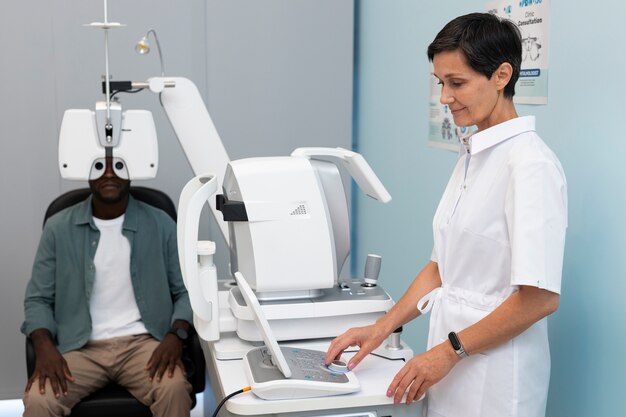
Sometimes lifestyle changes are not enough because the underlying issue is structural, such as cataracts, progressive corneal problems, retinal disease, or significant refractive shifts. If you notice persistent blur, increasing glare, difficulty with night driving, or sudden vision changes, get expert eye care now to clarify whether medical treatment, corrective lenses, or a procedure is needed. Today’s care can be highly personalized, with diagnostic imaging and tailored approaches that match your eye shape, lifestyle, and goals.
Advanced diagnostics guide personalized decisions
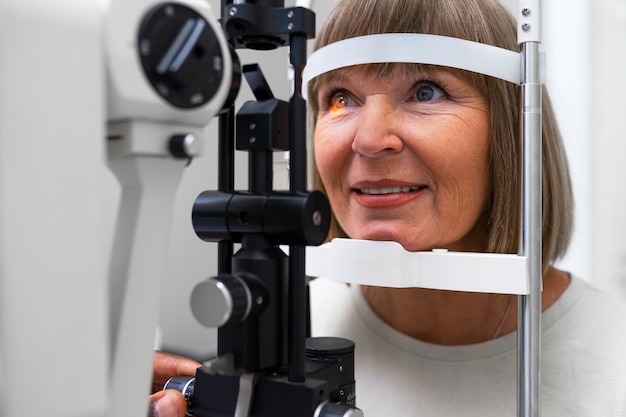
High-resolution imaging and detailed measurements can pinpoint why vision is degrading, distinguishing tear-film problems from lens changes, corneal irregularities, or retinal conditions. That precision prevents wasted time on solutions that will not address the real cause.
Treatment plans go beyond new glasses
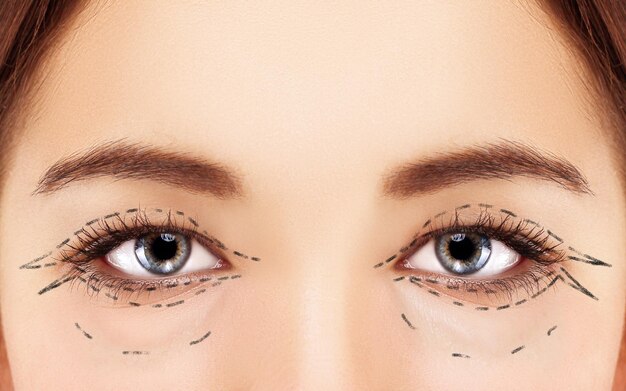
Some patients benefit from medical management for inflammation, specialized contact lenses, laser-based options, or lens procedures, depending on the diagnosis. Conversations about advanced eye treatment and surgery become relevant when your clinician identifies a correctable cause that cannot be fully addressed with standard eyewear.
Follow-up visits protect long-term results
Many eye conditions require monitoring to confirm stability and adjust the plan. Structured follow-ups also help ensure that improvements in comfort and clarity are maintained over months and years, not just weeks.
Sleep And Wellness Improve Visual Resilience
Sleep and overall wellness play a crucial role in maintaining strong, resilient vision. Your eyes are closely tied to your body’s general health, and when rest is lacking, issues like dryness, light sensitivity, and reduced visual endurance can become more noticeable. In fact, quality sleep improves eye health by allowing the eyes to recover from daily strain and maintain proper lubrication. Chronic stress may also lead to tension headaches and visual discomfort, while unmanaged conditions such as diabetes and hypertension can harm the delicate blood vessels that nourish the retina.
Conclusion
Restoring healthier, sharper vision is usually a combination of smart daily habits and timely professional evaluation. Nutrition, hydration, digital ergonomics, tear-film support, protective eyewear, and good sleep can meaningfully improve comfort and functional clarity, especially when you address small issues before they become big ones. If symptoms persist or your vision changes suddenly, do not self-diagnose or wait it out; a comprehensive exam can identify the true cause and guide you to the most effective solution for lasting, confident sight.