Where Learning and Life Skills Grow Together Daily
A school day can be far more than timetables and textbooks. When learning is woven into daily routines, students begin to understand not only what to study, but how to live well, how to think clearly, speak with confidence, cooperate with others, and manage emotions when challenges appear. This kind of environment turns ordinary moments into steady progress: morning preparation becomes responsibility, group tasks become collaboration, and feedback becomes resilience. Over time, students stop seeing growth as an event and start seeing it as a habit practiced every day.
A Morning That Builds Purpose
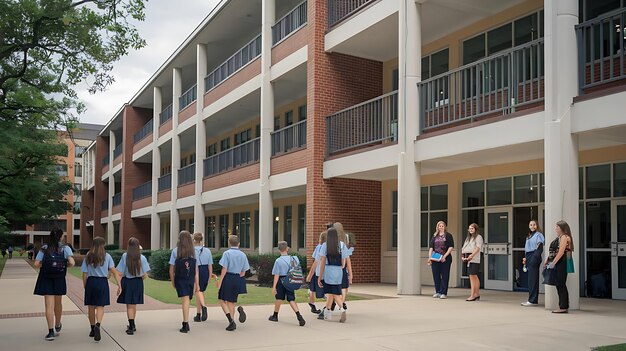
The first hours of the day can quietly shape your mindset. When students wake, organize their space, and follow a consistent routine, they develop self-control and a sense of direction. It is not about strictness; it is about learning to start without rushing, to plan before reacting, and to bring intention into small tasks. In places where families want steady structure and guided independence, a setting such as a residential school in Imphal can offer a consistent daily flow that supports both study and personal maturity.
Lessons That Travel Beyond the Classroom
Strong academics matter, yet the most useful learning continues after a notebook closes. Students retain more when they connect concepts to real situations, such as measuring ingredients while cooking, interpreting data from sports practice, or applying communication skills during teamwork. That transfer happens when educators encourage curiosity and reflection rather than rote completion. The day becomes a living lab where questions are welcomed, mistakes are treated as information, and students practice explaining ideas in their own words instead of repeating them.
Curiosity as a Daily Routine
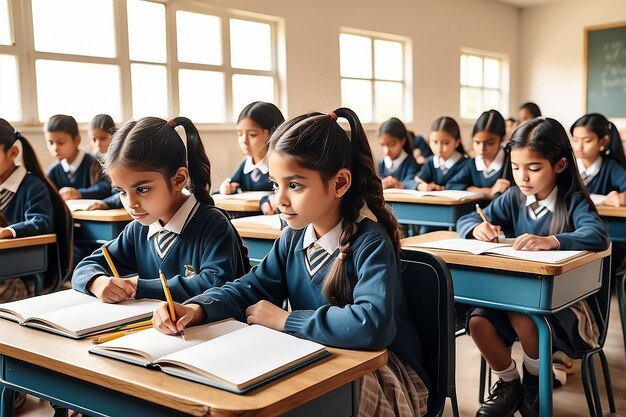
Curiosity is not a personality trait reserved for a few; it can be trained like any skill. When students are regularly invited to ask “why” and “what if,” they learn to approach the world with exploration rather than fear. A culture of inquiry can include quick discussions, hands-on demonstrations, and short research challenges that make learning feel active. Over time, students begin to seek clarity on their own, and their confidence grows because they know how to find answers rather than wait passively for them.
Friendship, Empathy, and Social Strength
Social development is often the hidden engine of success. Students who learn to listen, resolve conflict, and include others build a foundation for leadership and community life. Shared responsibilities and group activities teach patience and fairness, while everyday interactions offer countless chances to practice empathy. When misunderstandings happen and they will, guided reflection helps students learn how to repair trust, express feelings respectfully, and move forward with maturity.
Practical Skills That Make Independence Real
Life skills become powerful when they are practiced repeatedly, not simply discussed. Budgeting for small projects, keeping track of personal items, managing time for assignments, and planning steps for a goal all create real independence. Students also benefit from learning basic health habits, hydration, sleep routines, hygiene, and movement because these directly affect attention and mood. With support, they begin to notice patterns: when they plan, they feel calmer; when they procrastinate, stress multiplies.
Habits That Protect Focus in a Noisy World
Distraction is a modern challenge, but focus can be strengthened through intentional habits. Short bursts of deep work, clear boundaries around screen time, and mindful transitions between activities help students stay present. A simple practice like setting a goal for a study session and reviewing it afterward can create steady improvement. Many learners discover that concentration is less about forcing the mind and more about creating conditions where attention can settle naturally.

Guidance That Feels Human and Specific
Students thrive when feedback is both kind and concrete. Instead of vague praise or criticism, targeted guidance shows exactly what to improve and what to keep. This approach turns assessment into coaching and reduces fear around mistakes. It also helps students develop self-awareness: they learn to evaluate their own work, recognize effort patterns, and ask for help at the right time. In that supportive process, the journey of growth becomes visible, measurable, and encouraging rather than abstract.
Small Academic Strategies That Add Up
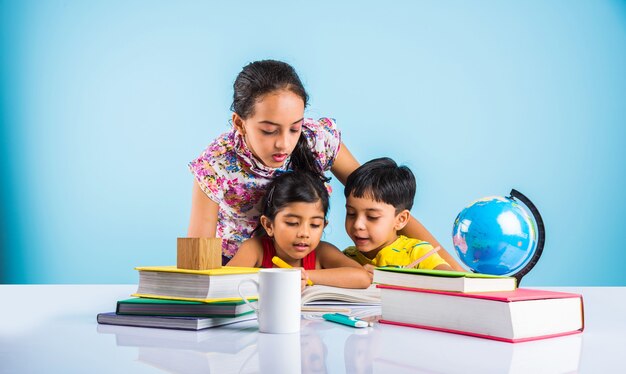
Academic success often comes from simple, repeatable methods more than dramatic last-minute effort. Consistent review, active recall, and spaced practice can make learning stick while reducing stress. Students also do better when they break assignments into smaller steps and start earlier than they think they need to. A helpful set of quality education tips includes creating a distraction-free study corner, summarizing lessons in one’s own words, and teaching a concept to a friend to confirm real understanding.
Conclusion
When learning and life skills develop side by side, students gain something deeper than grades: they gain readiness for real life. They learn how to manage themselves, communicate with others, and keep improving even when the path is challenging. Day by day, structure becomes stability, practice becomes confidence, and curiosity becomes a way of living. In a world that changes quickly, the most meaningful education is the one that helps students grow steadily academically, emotionally, and socially every single day.